
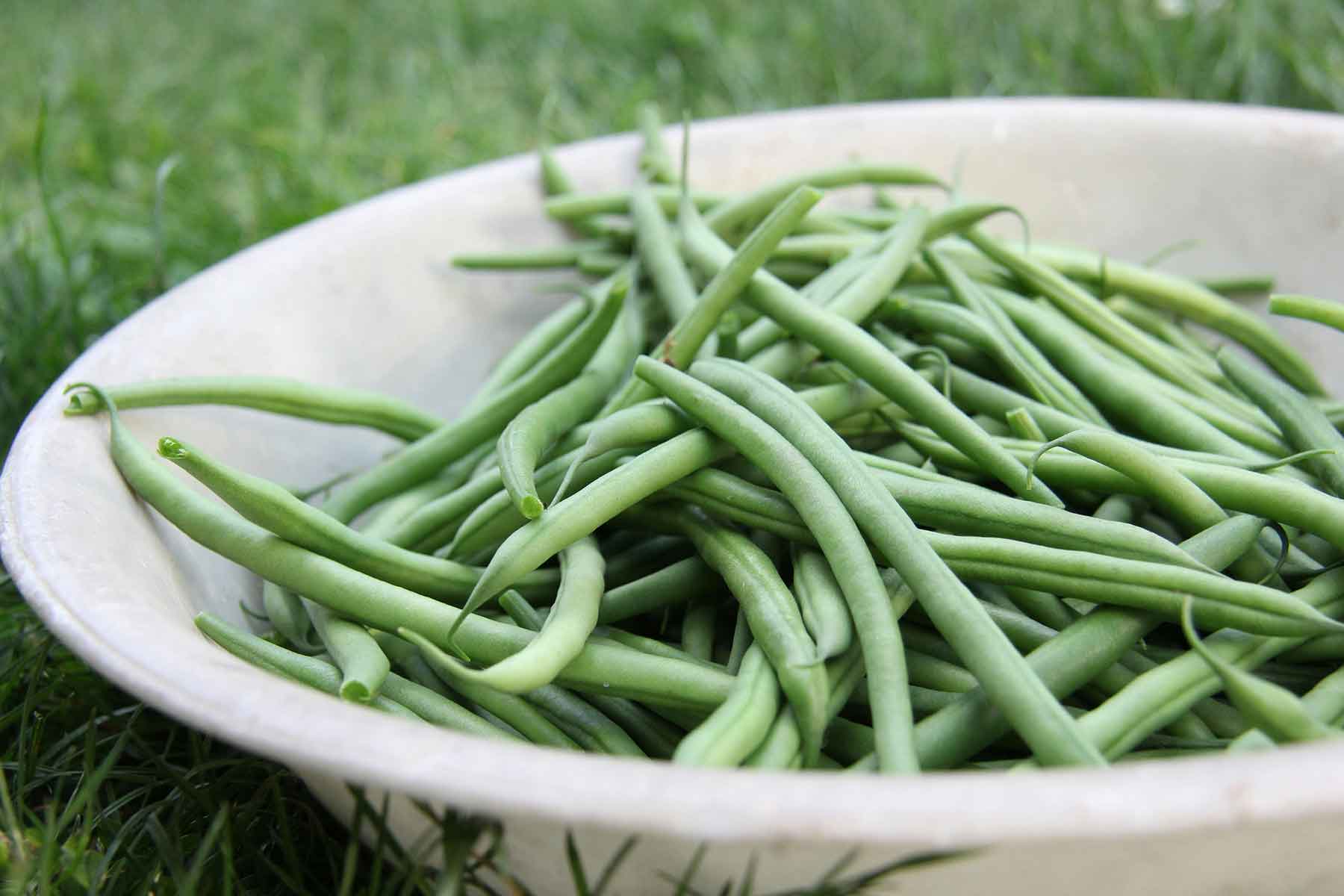
Most backyard BBQ setups follow a predictable script: smoke the protein, build flavor through long heat and patience, serve with white bread and pickle spears. But spend any time at a Korean BBQ table, and you’ll notice something the meat-obsessed home cooks overlook: the vegetables.
Not as afterthoughts, but as essential characters in a flavor conversation. The real seasoning strategy for a memorable BBQ spread often starts not with the rub on the brisket, but with how you treat the green beans.
Here’s the thing: when you understand how to build bold, layered seasoning into vegetables, you suddenly understand how to build it everywhere.
A bbq green beans recipe done right shifts the entire tone of your meal. It’s no longer just about the smoke and the char. It becomes about how a small side dish can introduce textures, umami notes, and spice complexity that make people actually pause and taste.
Key Takeaways
- Korean-style blistered green beans introduce umami and heat that rebalance rich, smoky proteins and cut through heavy sides like coleslaw and potato salad.
- The seasoning approach for green beans mirrors advanced BBQ technique: layering flavor at multiple stages rather than relying on a single application.
- Home cooks who master vegetable seasoning discover that side dishes are not filler; they’re the lever that transforms a decent BBQ spread into a conversation.
- Blistering technique and bold spice blends create textural contrast that makes every bite feel intentional rather than obligatory.
Why It Matters
BBQ culture in North America treats vegetables like a legal requirement. They sit on the table to provide visual variety and a nod to nutrition, but nobody remembers them. Compare that to Korean table culture, where vegetables are seasoned with the same respect and precision given to protein. A plate of banchan (side dishes) tells you more about a cook’s skill than the main course often does.
The reason this matters for your home setup is simple: a great BBQ meal isn’t just about what you smoke. It’s about what you serve alongside it. When you plate charred, seasoned vegetables next to rich brisket, the contrast actually makes the meat taste better. The heat cuts through fat. The umami in the seasoning echoes and extends the smoky notes. The texture forces you to chew and taste rather than just inhale.
For home cooks, this is liberation. It means you don’t need to obsess over equipment or rare techniques to build a memorable meal. You need to understand seasoning, layering, and how bold flavors in unexpected places change everything.
Also Read: Can You Eat Flounder Raw? Is it Safe?
Building the Blistered Green Bean Foundation
Blistering is a simple technique that deserves respect. You’re exposing the green bean to direct, high heat, long enough for the exterior to char and soften while the interior stays crisp. This happens fastest in a cast-iron skillet or directly over a grill grate, but the magic isn’t really the heat source. It’s what you do with seasoning before, during, and after the blister.
Start with fresh green beans, trimmed and patted dry. (Moisture prevents blistering; it creates steam instead.) Toss them lightly with neutral oil and a bold spice blend that leans into umami and heat. This is where most home cooks stop and wonder why their green beans taste forgettable. They apply seasoning once, at the beginning, and hope it sticks.
Instead, think about seasoning as a conversation. Apply it before cooking, sure, but also lay down another dose after the blister, when the surface is still hot and receptive. The heat helps flavors bind. The timing means you’re building layers rather than relying on a single flavor shot.
The Seasoning Strategy: Where Most Cooks Miss the Mark
Korean BBQ table culture relies on specific spice blends that combine heat, fermentation notes, and umami into a coherent whole. You’ll often see garlic, gochugaru (Korean red pepper flakes), a touch of sesame, and salt working together. None of these flavors dominate alone. Together, they create a seasoning that makes you want another bite.
The mistake most home cooks make is using dusty, stale spice blends from jars that have sat on the shelf for two years. Old spices don’t punch. They whisper. And when you’re layering seasonings the way Korean cooking teaches you, you need each element to actually contribute something recognizable.
Fresh spice blends change the equation entirely. They have volatility and brightness that aged spices lose. When you’re building a seasoning strategy for green beans, that freshness becomes visible: the heat lands faster, the garlic notes are sharper, the umami feels dimensional rather than flat.
The Finishing Move: Why Heat Application Matters
After your green beans blister and you’ve pulled them off heat, they’re at their most receptive to flavor. The exterior is slightly opened up, warm, and ready to absorb whatever you add next. This is when the second seasoning application lands hardest.
Some cooks finish with a sprinkle of sesame seeds and a drizzle of sesame oil. That works. Others hit them with a pinch of fleur de sel and a shake of cracked pepper. Also solid. But the real depth comes from finishing with the same bold spice blend you used at the start, knowing that this application will land differently because the bean’s surface chemistry has changed.
The temperature of the green beans matters too. You want them hot enough that oil-based seasonings activate (meaning they release volatile aromatics), but cool enough that delicate spices don’t burn. There’s a sweet spot at about two minutes after you pull them off heat.
The Bigger Picture: Side Dishes as Flavor Architecture
Once you understand how to season vegetables correctly, you stop thinking of them as filler and start thinking of them as structural. On a BBQ plate, seasoned green beans serve multiple purposes: they provide heat that contrasts with richness, texture that contrasts with tenderness, and a completely different flavor profile that prevents palate fatigue.
This is why Korean BBQ spreads feel more sophisticated than typical backyard BBQ. It’s not because the meat is necessarily better. It’s because every element on the table is seasoned with intention. The vegetables aren’t there by accident. They’re there because a cook understood that food is built, not assembled.
For home cooks, this knowledge is practical. You don’t need to buy expensive equipment or hunt for rare ingredients. You need to change how you think about seasoning and layering. A great BBQ spread starts with thinking about contrast and balance, not just protein and smoke.
A Practical Example: The Full Plate
Imagine a plate: Texas brisket, smoked low and slow, deeply savory and rich from the smoke and the rendered fat. Creamy coleslaw, cutting the richness with acid and crunch. And then blistered green beans, hot, charred at the edges, seasoned boldly with garlic, heat, and umami notes. That plate tells a story. The green beans don’t steal focus from the brisket. They amplify it. They give you somewhere different to land your palate between bites of meat. They make the whole experience feel intentional.
Home cooks who try this approach once usually become zealots about it. Because they realize that side dishes aren’t an obligation. They’re an opportunity.
Actionable Takeaways
- Invest in fresh, bold spice blends designed for vegetables or Asian cooking rather than reaching for generic seasoning blends from the supermarket.
- Pat your green beans completely dry before cooking, then apply seasoning in two stages: once before heat and again immediately after blistering while the beans are still hot.
- Blister green beans in a cast-iron skillet or directly over a grill until the edges char and the skin blisters; this takes about 5 to 8 minutes depending on bean thickness.
- Taste and adjust seasoning after the finish application; remember that seasoning bonds differently to hot vegetables than to cold ingredients.
- Build contrast into your BBQ spread by thinking about heat, texture, and flavor profile for every item on the plate, not just the protein.
Conclusion
BBQ culture has spent decades obsessing over meat. Temperature probes, wood selection, rub ratios, smoke manage
ment. All valid. But the restaurants and home cooks who people actually remember aren’t the ones with the most expensive equipment. They’re the ones who understood that eating is a complete experience, and a single well-seasoned side dish can shift how you taste everything else on your plate.
Korean-style blistered green beans are a gateway to that understanding. They’re simple enough that anyone can execute them, but sophisticated enough that they’ll make you rethink how you season everything.
Also Read: Can You Eat Manatee? Legality and Ethics
FAQ
Can you blister green beans ahead of time and reheat them?
You can, but they lose their textural edge and the seasoning doesn’t land as fresh. Better approach: prepare and blister them within 30 minutes of serving, or set up your cast iron while your guests are eating the main course and blister them then. They take less than 10 minutes start to finish.
What type of green beans work best for blistering?
Fresh, firm green beans with thinner profiles blister more evenly than thick, older beans. Look for beans about the diameter of a pencil or slightly thinner. Snap a few to check for firmness; they should bend without breaking.
Should you oil the pan or oil the beans before blistering?
Oil the beans lightly and let them sit for a minute. This prevents them from sticking and helps seasoning adhere. Add a small amount of oil to the pan itself just before the beans hit heat; you want the oil hot when the beans contact it so blistering starts immediately.
How do you prevent green beans from getting soggy after seasoning them?
The key is applying seasoning to hot beans rather than cold or room-temperature ones. Heat opens the surface of the vegetable so flavor adheres differently. Also, finish them with dry elements like seeds or salt rather than wet elements like oils or sauces if you’re serving them even slightly delayed.
What spice profiles pair with Korean-style blistered green beans at a mixed BBQ table?
Korean seasonings with garlic, heat, and umami pair beautifully with American BBQ proteins, cutting through richness without competing for attention. They also complement traditional sides like coleslaw, potato salad, and corn because the flavor profile is distinct rather than redundant.
Can you make Korean blistered green beans indoors if you don’t have a grill?
Absolutely. A cast-iron skillet on your stovetop works perfectly for blistering. You’ll get better char and more control over temperature than on a grill. The technique remains identical; only the heat source changes.